
Do Food Trucks Qualify for MCAs? There’s a Better Way to Get Capital

Food trucks are often denied merchant cash advances even when credit card sales and demand are strong. Mobile income, seasonal swings, and inconsistent payment processing histories work against traditional approval models. A better approach to restaurant financing lets food truck owners choose repayment terms that reflect how their business actually earns money.

Why Food Trucks Get Pushed Aside by Traditional MCA Models
Food trucks operate on momentum, not predictability. Revenue depends on location, weather, event schedules, permitting access, and foot traffic that changes week to week. A sold-out Friday does not guarantee a steady Monday. A festival weekend does not repeat itself on demand.
That variability is normal for mobile food service businesses. Unfortunately, many funding models still treat it as a weakness rather than a feature of how the business works.
Some days you sell out at an office complex before noon. Other days, you barely chip away at inventory. A music festival can generate $8,000 in a weekend, then a rainy week slows everything down. That swing is normal for food trucks, not a sign that something is wrong.
Try explaining that to an MCA provider reviewing your merchant account history. Instead of seeing momentum, they focus on the gaps and revenue swings. An underwriting algorithm can quickly label the file as high-risk before anyone takes the time to understand how your business actually operates.
That disconnect is especially striking given the size and trajectory of the industry itself. The global food truck market was estimated at USD 6.1 billion in 2024 and is projected to grow to USD 11.9 billion by 2034, reflecting sustained demand and long-term viability according to Global Market Insights Inc. This is not a fringe segment. It is a growing one.
Yet traditional MCA providers continue to evaluate food trucks using standards designed for fixed-location businesses. Consistency is prioritized over performance. Predictability is valued more than adaptability. As a result, many profitable food trucks find themselves excluded or offered terms that do not reflect the strength of their business.
The hospitality industry is evolving. Food trucks are part of that evolution. But alternative lending has not caught up.
How MCA Qualification Works Against Mobile Vendors
Merchant cash advances rely heavily on consistency. Providers look for steady sales volume, predictable deposits, and uninterrupted merchant account histories. Food trucks violate those assumptions simply by operating as intended.
I did some research and found out that lenders will most likely review both your personal credit score and your business credit score, and that knowing your business brings in a certain level of revenue on a consistent basis will make you a less risky borrower, criteria that mobile food truck vendors often struggle to demonstrate according to Investopedia.
That gap explains why profitable food trucks still face denials or unfavorable funding terms. Strong demand alone does not override inconsistent revenue patterns in traditional underwriting.
Consider what that means in practice. The truck generates real sales, customers line up at the window, and your food gets shared across social media. You book private events, and loyal regulars follow your location updates closely. The business model works, even if it doesn’t look traditional on paper.
The bank statements do not resemble those of a sit-down restaurant with predictable lunch and dinner rushes. Credit card processing runs through a mobile POS system, often reflecting different locations from one day to the next. One of your strongest stretches might come from a three-day music festival, followed by slower street parking the following week.
To you, this makes perfect sense. To an algorithm built for brick-and-mortar restaurant operations, this looks like chaos.
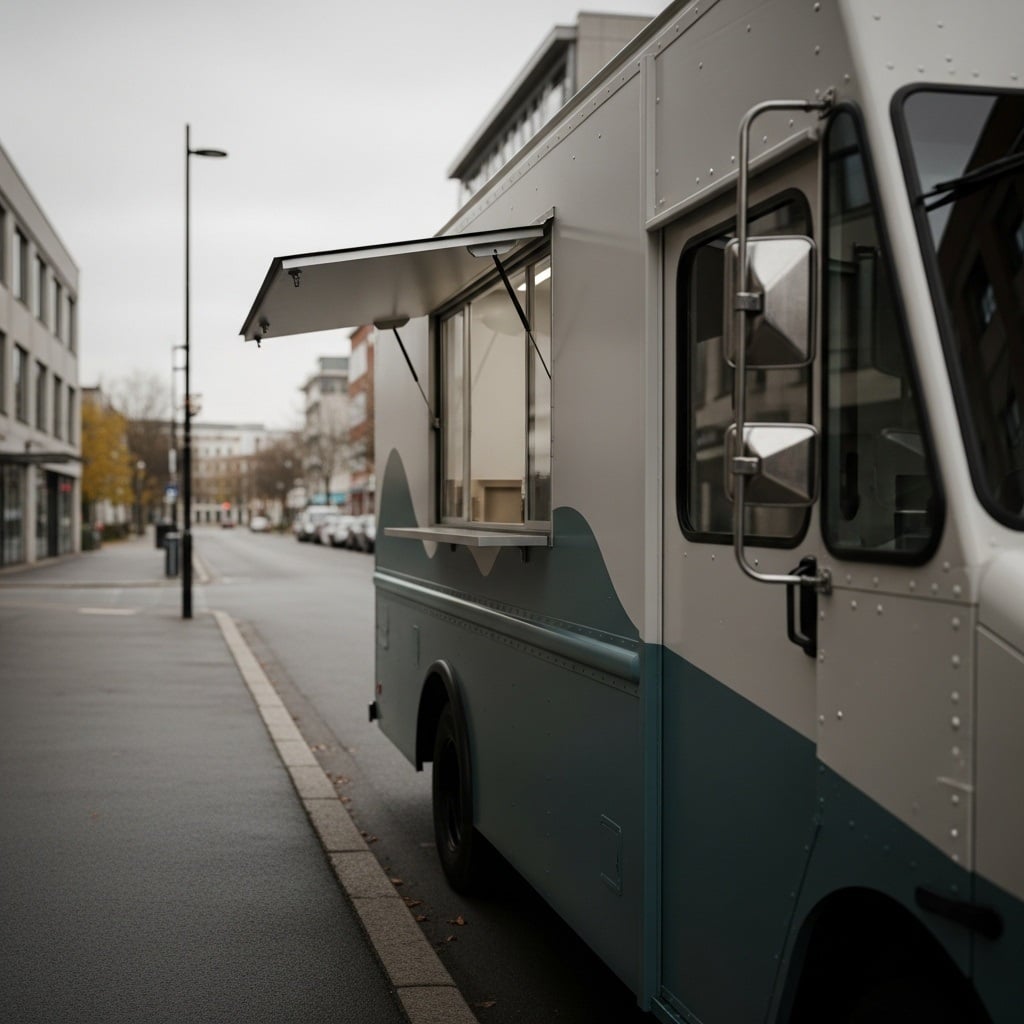
What Typically Trips Food Trucks Up
- Variable revenue streams tied to weather and events
- Short or fragmented credit card processing history
- Operating across multiple locations rather than one fixed address
- Seasonal peaks that disrupt predictable cash flow management
- Gaps in merchant account activity during off-seasons or maintenance periods
- Multiple payment processing setups for different event types
- Business credit files that do not reflect actual sales performance
- Lack of a traditional business address for underwriting purposes
None of these indicate a weak business. They simply reflect how mobile food service works. But traditional bank loans and many merchant cash advances were not built with food trucks in mind.
Why Approval Is Not the Same as a Good Fit
Some food trucks do receive funding approval for an MCA. That approval feels validating, especially after prior rejections. But approval alone does not mean the structure supports business operations.
Fixed daily payments assume stable income. Food trucks rarely have that luxury. Rainouts, mechanical issues, and slow weekdays do not pause deductions. Cash leaves the account regardless of sales.
This is where pressure begins. Not at the loan application process, but during repayment.
You get approved for a $30,000 cash advance. The factor rate is 1.4, so you owe $42,000 total. The MCA provider tells you daily deductions will be around $400 based on your average credit card sales. That sounds manageable when you are looking at your best weeks.
Then reality sets in. A rainy Tuesday brings in just $200 in sales, but the ACH withdrawal still pulls $400 the next morning. The account slips into overdraft, fees start stacking up, and you end up shifting money around just to keep it from being frozen.
During a slower stretch between event bookings, sales volume can drop by half, yet the daily payment stays the same. Working capital tightens quickly, forcing you to delay inventory purchases, switch to cheaper ingredients, or put off preventive maintenance on the truck.
The funding that was supposed to help you grow is now choking your ability to operate.
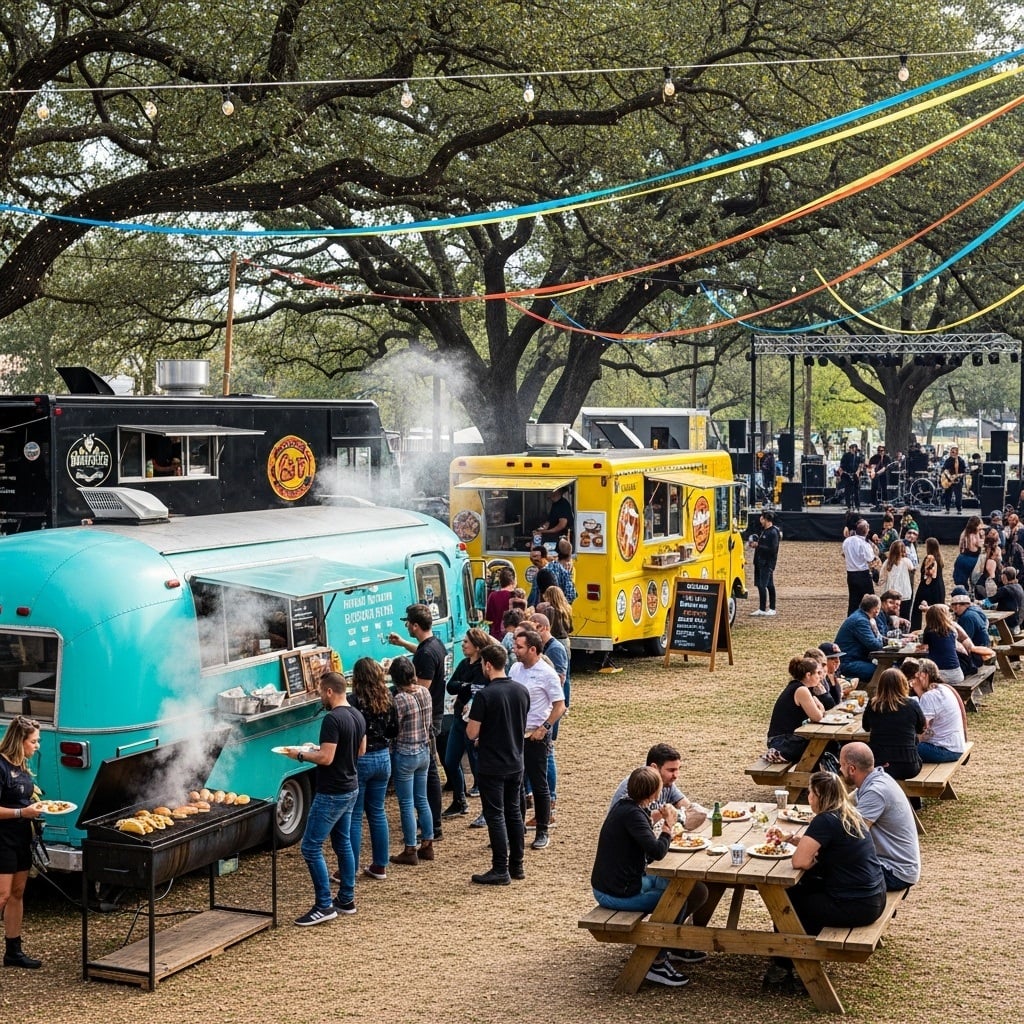
How Fixed Repayment Collides With Variable Sales
Food trucks carry high variable costs. Inventory must be replenished often. Fuel prices fluctuate. Maintenance appears without warning. Permits and licenses need renewal. Equipment breaks down at the worst possible times.
When repayment stays fixed, business cash flow tightens quickly. You cannot predict what next week will bring, but the MCA does not care. The daily withdrawal keeps coming.
Owners delay inventory purchase, marketing, and equipment upkeep. These are not bad decisions. They are survival decisions caused by rigid repayment structures.
Upgrading the POS system to support mobile ordering starts to feel optional. The social media ad campaign you mapped out gets postponed. Expansion, including adding a second truck, moves further out of reach as cash stays tight.
The issue is not access to working capital. It is a financing model that ignores variability. Your business growth stalls because the capital you brought in to fuel expansion is now just another fixed cost draining your resources.
Approval Versus Reality for Mobile Businesses
| Funding Factor | Typical MCA Model | Food Truck Reality |
| Revenue pattern | Stable | Variable |
| Processing history | Fixed | Often changing |
| Repayment style | Fixed daily sales deduction | Income fluctuates |
| Flexibility | Low | Essential |
| Seasonal business needs | Not considered | Critical factor |
| Location stability | Expected | Intentionally mobile |
| Cash flow patterns | Predictable | Event-driven |
This gap explains why many food trucks regret MCA funding even when fast funding was delivered. The money arrives quickly, but the structure does not fit how mobile food service operates.
You are not failing to manage your business. The financing is failing to match your business model.
If you want a clearer breakdown of how merchant cash advances compare to revenue-based financing in practice, MCAs vs Revenue-Based Financing, Which Fits Your Restaurant Best? walks through the differences side by side and explains which structure tends to fit restaurant cash flow more sustainably.
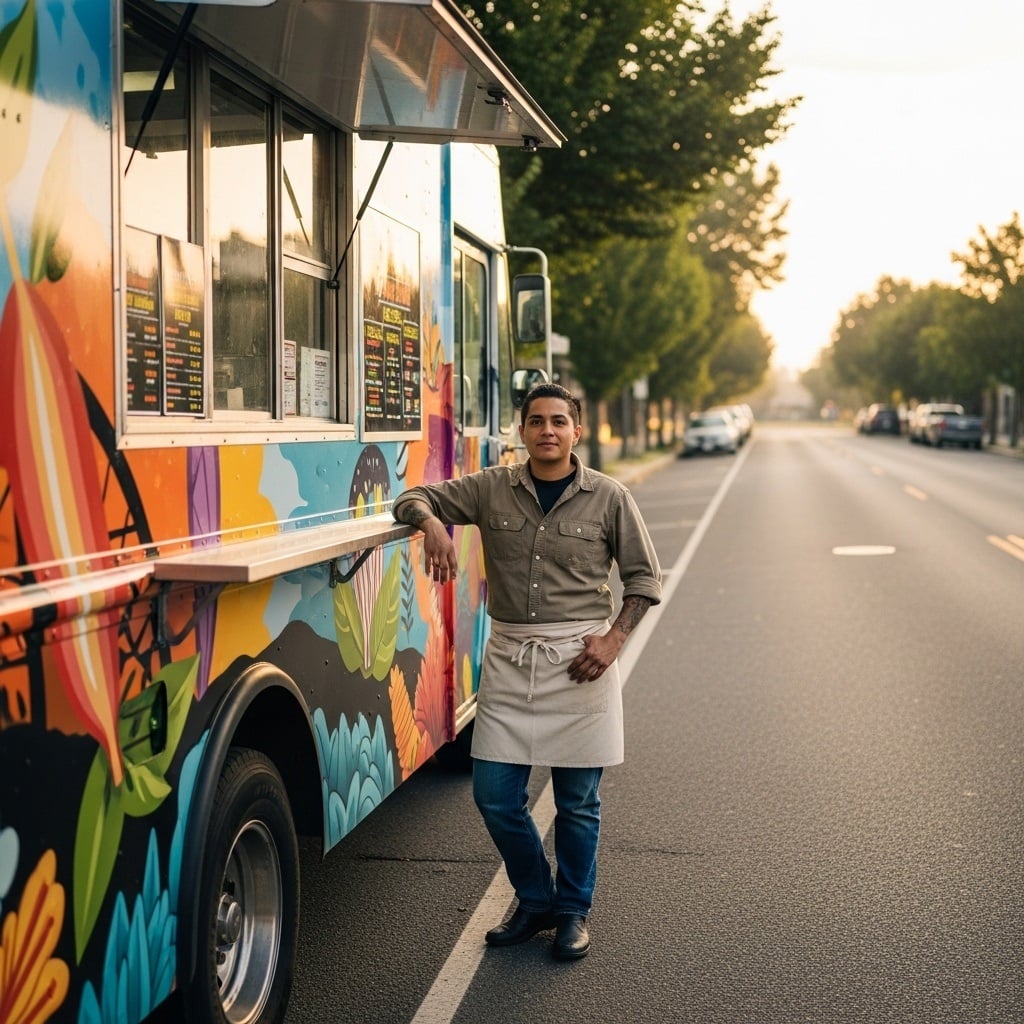
Why Food Trucks Need a Different Starting Point
Food trucks should not be evaluated like brick-and-mortar restaurants. Their revenue performance is real, but it moves. Financing needs to start from that reality.
The better starting point is not how much capital is offered. It is what the business comfortably repays during a slow stretch. That perspective protects financial health.
Instead of reacting to preset loan alternatives, food truck owners should start by defining a repayment range that actually fits their cash flow. You already understand your operating expenses, your slower weeks, and what the business can realistically handle when sales dip.
Start there. Build your funding request around what works for your cash flow, not what some lender thinks you should be able to handle based on your best month.
How Choosing Your Own Rate Changes the Outcome
When owners set their own rate, restaurant funding becomes intentional. The focus shifts from maximum capital to sustainable cash flow solutions.
This approach preserves flexibility during slow periods and prevents short-term financing from turning into long-term stress. Control stays with the business.
You decide what repayment amount works even during your slowest weeks. You define the funding amount you need and what you are comfortable paying back. You set the terms based on your reality, not someone else’s spreadsheet.
Lenders respond to your terms instead of forcing you into theirs. You compare offers. You choose what fits. You walk away if nothing works. You stay in control from start to finish.
This is how business financing should work for food trucks. Your business is mobile, adaptable, and responsive to opportunity and financing should match that energy.
Where Dine Well Financial Fits for Food Trucks
Dine Well Financial adapts to variable income models like food trucks. Owners choose their own repayment range based on real operating conditions.
That request goes to a network of restaurant-focused lenders who understand seasonal business patterns and mobile revenue. Offers come back aligned to what the owner asked for.
This creates flexible repayment options without forcing food trucks into structures designed for fixed locations. You get capital that moves with your business instead of fighting against it.
Dine Well does not care if your sales come from street parking, farmers markets, private events, or festival circuits. The funding marketplace evaluates your request based on what you say you need and what you can afford, not on whether your revenue streams fit a traditional mold.
This type of business deserve food truck financing that respects how they operate. Dine Well Financial makes that possible.
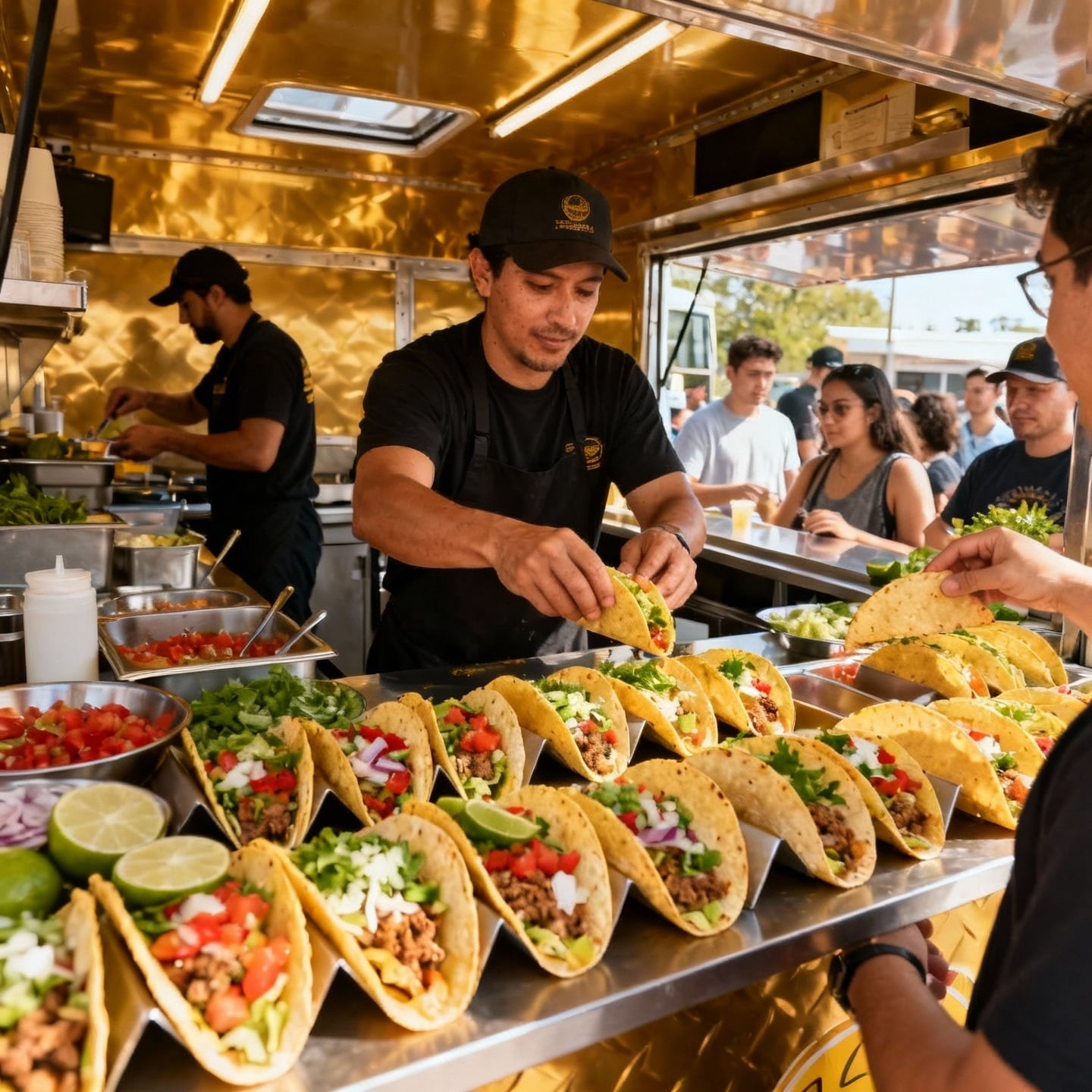
Choose Capital That Moves With Your Business
Food trucks succeed because they adapt. Financing should do the same.
If merchant cash advances have denied your application or offered terms that do not reflect how your business operates, that is not a reflection of quality. It is a mismatch between model and reality.
Your food truck business works. Sales are real, customers come back, and there is room to grow. The problem is not demand. It is finding food truck financing that is built for mobile operations instead of fixed locations.
Traditional funding models evaluate food trucks using the same standards applied to fixed-location restaurants, even though the business operates differently. Mobile vendors have their own strengths and constraints. Financing should reflect that reality.
If you want capital access that adapts to variable income and lets you choose repayment terms upfront, we invite food truck owners to reach out for a straightforward conversation about realistic repayment and flexible business financing. No pressure. Just clarity.
Your truck moves. Your financing should, too.
Disclaimer: Dine Well Financial is not a lender and does not provide merchant cash advances or business loans directly. We are a funding network that connects restaurant owners with third-party lenders and capital providers. All financing offers are subject to lender approval and applicable underwriting criteria. “Name your rate” is a non-binding feature that allows business owners to propose preferred repayment terms; actual offers may differ based on creditworthiness, business performance, and lender discretion. Dine Well Financial makes no guarantees regarding funding availability, terms, or lender acceptance. Always consult with a financial advisor or legal professional before entering into any financing agreement.

Daniel Harper writes about restaurant financing, merchant cash advance risk, and cash flow strategy for Dine Well Financial. His work focuses on helping independent restaurant owners compare funding options with clear numbers before they sign anything. He has covered alternative lending for the food service industry since 2019. More from Daniel Harper.
Stuck in an MCA or comparing funding options?
You shouldn’t have to wait weeks for what you need today. Call now or apply online in minutes. With our easy application, many clients receive funds in just a few days, subject to lender approval and qualifications.
Leave a Reply