
What Happens If You Can’t Repay an MCA (And How to Choose a Safer Option)

If you can’t repay a merchant cash advance, daily withdrawals often continue even when sales drop, putting immediate pressure on restaurant cash flow. Payment processing disruptions and fast-moving collections can follow, leaving owners with little room to recover. Safer restaurant financing options focus on flexible repayment so a short downturn doesn’t become a crisis.

The Hidden Risk Behind Fast Merchant Cash Advances for Restaurants
Merchant cash advances promise speed when you need working capital quickly. Traditional bank loans can feel out of reach, especially if your credit score is not perfect. MCAs offer fast approval, minimal paperwork, and funding based on credit card sales rather than creditworthiness. That speed feels like a solution for restaurant owners navigating constant financial pressure.
But restaurants operate on thin margins and unpredictable revenue. Seasonal swings, labor costs, and food price volatility keep cash flow fragile. When repayment terms stay rigid and disconnected from real-time performance, fast funding turns into a financial strain. The alternative lending industry markets MCAs as flexible capital with quick access and no collateral, yet that convenience often comes at a much higher long-term cost.
I did some research and found out that the Federal Trade Commission documented merchant cash advance operators using “predatory contract terms” against small businesses, leading to enforcement action and permanent industry bans.
That enforcement matters. It shows how some MCA agreements protect the lender first, even when repayment becomes unsustainable for your business. Daily withdrawals continue regardless of revenue declines. You absorb all the risk while lenders stay insulated. This imbalance turns a short-term funding solution into a long-term operational threat.
What a Merchant Cash Advance Really Is
A merchant cash advance is not a traditional small business loan. It’s an advance against future credit card receivables. Repayment happens through daily sales deductions or automated clearing house (ACH) withdrawals from your merchant account. Instead of interest rates, MCAs use a factor rate. This fixes your total repayment amount from day one.
Here’s what that means in practice. You take a $50,000 cash advance with a factor rate of 1.3. You owe $65,000 total. That $15,000 difference gets pulled from your daily credit card sales until the full amount is paid.
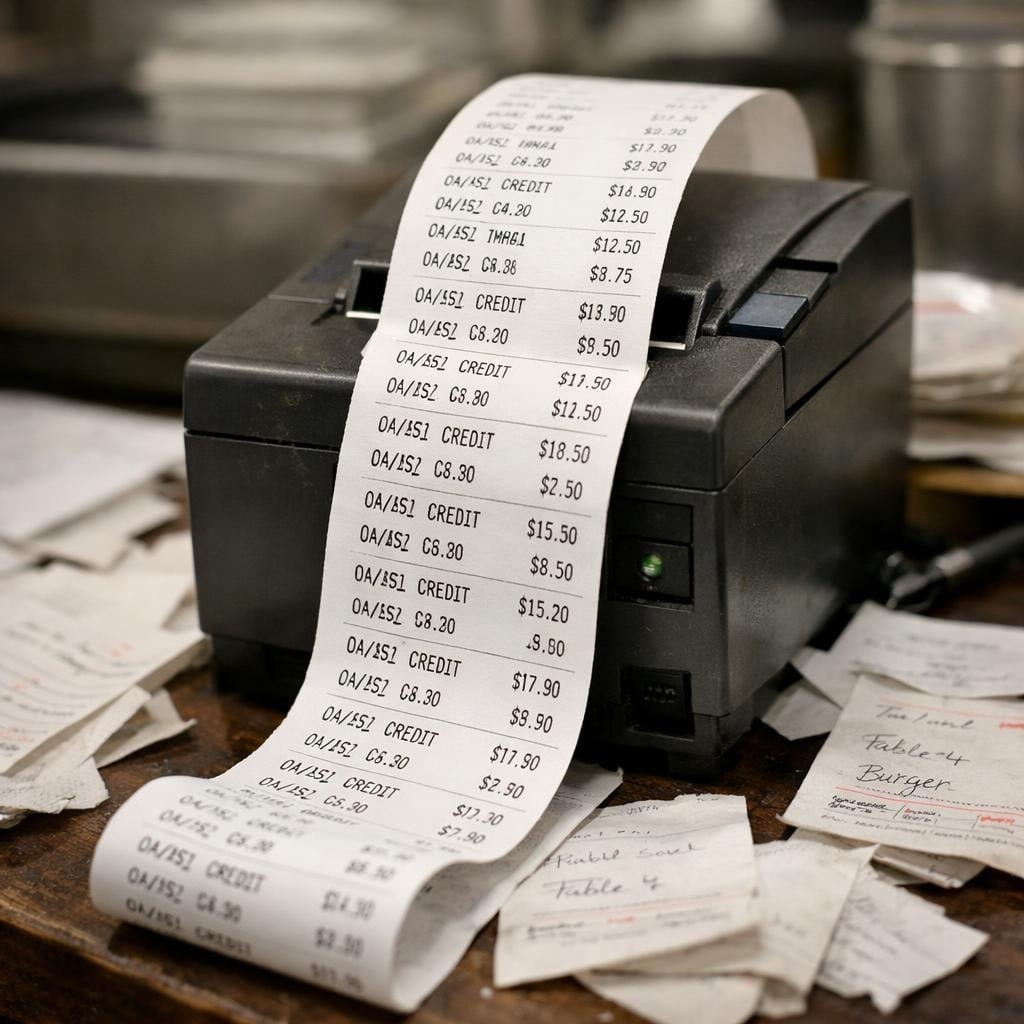
Repayment doesn’t adjust based on revenue fluctuation. Your daily credit card sales rise or fall, but the same percentage gets pulled until you hit the fixed payback. For restaurants managing business cash flow, that rigidity creates problems fast.
Why MCA Repayment Becomes Risky During Revenue Drops
Your restaurant relies on inconsistent revenue streams. Weather changes affect foot traffic. Tourism cycles shift. Staffing shortages happen. Supplier costs spike. All of this impacts your daily credit card transactions.
When sales dip, MCA repayment doesn’t slow down to protect restaurant cash flow. Your operational expenses stay the same. Rent doesn’t drop because you had a bad week. Payroll doesn’t shrink because fewer customers walked through the door.
You face a choice. Cover payroll, rent, and inventory purchases or keep up with repayment. Many restaurant owners turn to additional short-term financing, business cash advances, or other loan alternatives. Obligations stack. Financial strain increases.
This is where the debt cycle begins. You take one advance to cover immediate needs. Sales don’t recover fast enough. You take another advance to cover the first. Soon you’re juggling multiple repayment schedules, each one pulling from the same shrinking pool of daily sales.
What Cash Flow Pressure Looks Like in Practice
The pressure starts subtle. Vendor payments get delayed. Repairs get postponed. You cut labor too aggressively. Meanwhile, the MCA debit keeps coming. Every morning, the daily withdrawal hits your account before you’ve even opened the doors.
Over time, that pressure blocks investments that improve performance. Restaurant equipment financing gets pushed aside. Restaurant renovation waits. Marketing initiatives stop. Instead of supporting business growth, the funding drains your operational flexibility.
What Happens If You Can’t Repay an MCA
Repayments fall behind. Escalation comes fast. Many MCA agreements let providers disrupt payment processing, redirect credit card receivables, or launch aggressive collection efforts tied to personal guarantees.
You miss a few daily payments when your account balance dips too low. ACH attempts fail. The MCA provider reaches out immediately, referencing the merchant agreement you signed. Clauses within that agreement may allow an increase in the daily withdrawal percentage.
In some cases, escalation goes further. Providers may contact your credit card processing company directly and redirect future sales to themselves before funds reach your account. The result is a loss of control over your own merchant account.
MCAs often sit outside traditional small business lending protections. You have limited options once default remedies trigger. This damages your financial health, restricts capital access, and stalls restaurant business growth.
Common Default Triggers That Catch Restaurant Owners Off Guard
- Missed daily payments or returned ACH debits
- Sudden drops in sales volume
- Switching credit card processing providers without approval
- Frequent overdrafts in your merchant account
- Failure to provide updated bank statements during review

Early Warning Signs Repayment Is Becoming Unsustainable
Most restaurants see warning signs before full default hits. Recognize them early. You prevent deeper damage.
- Daily sales deductions exceed your net profit margin
- Difficulty covering payroll or inventory purchases on time
- Reliance on additional short-term funding to stay afloat each month
- Declining revenue paired with fixed repayment terms
- Ongoing stress around cash flow management that keeps you up at night
When repayment terms are designed to escalate instead of adapt, even a temporary slowdown can trigger permanent consequences. By the time default remedies activate, the damage to cash flow and operations is already underway. This is why repayment structure matters just as much as access to capital.
The Long-Term Impact on Restaurant Growth
Restaurants locked into rigid MCA repayment structures delay restaurant expansion. Equipment financing waits. Improvement projects stall. Capital meant for growth gets redirected toward survival.
Think about what that means for your vision. You opened your restaurant with plans to grow. Maybe that meant opening a second location, adding catering, or upgrading the kitchen to roll out a new menu. Those were real next steps, not abstract ideas.
Merchant cash advances drain that potential. Every dollar pulled in daily repayments is a dollar you can’t invest in business growth. This weakens your business credit over time. It affects creditworthiness. It limits access to healthier restaurant financing options. What begins as quick funding quietly caps your long-term potential.
Comparing MCA Risk to Safer Restaurant Financing Options
Not all business funding solutions carry the same risk level. The key difference is how repayment behaves when revenue fluctuates.
| Funding Option | Repayment Structure | Risk Level | Cash Flow Impact |
|---|---|---|---|
| Merchant Cash Advance | Fixed daily deductions | High | Severe strain during slow periods |
| Short-Term Business Loan | Fixed payments | Medium | Predictable but inflexible |
| Revenue-Based Financing | Payments adjust with sales | Lower | Aligned with volatility |
| Traditional Bank Loan | Monthly payments | Low | Requires strong credit |
| Owner-First Marketplace | Owner-defined repayment terms | Lower | Built around affordability |
Traditional bank loans offer the lowest interest rates and the most favorable terms, but qualifying is tough. You need strong business credit, solid financial statements, often collateral, and patience for a slow approval process.
Short-term business loans from online lenders move faster than banks. Approval takes days instead of months. But repayment terms stay fixed. If your sales drop, your payment stays the same.
Revenue-based financing ties your payment to actual sales performance. Good month means higher payment. Slow month means lower payment. This aligns with the reality of restaurant revenue cycles.
Merchant cash advances sit at the high-risk end. Factor rates often translate to APRs of 40% to 200% or more. Daily withdrawals hit regardless of performance. The total cost of capital far exceeds any other option.

How to Choose a Safer Option and Avoid Repayment Panic
Safer restaurant financing comes down to control and transparency. When repayment reflects how a restaurant actually earns money, it becomes easier to stay steady during slow periods instead of scrambling to catch up.
Before signing any agreement, it helps to think through how it would hold up during a bad month. If sales drop, does repayment adjust or stay fixed no matter what. Restaurants do not operate on perfect weeks, and financing that assumes they do often creates problems later. Cost matters as well. Factor rates can hide how expensive capital really is, so calculating the actual APR and comparing alternatives can change how a deal looks.
It is also important to understand what happens if circumstances change. Some MCA agreements leave little room to restructure, refinance, or exit early without penalties. Others rely on personal guarantees that put personal assets at risk. Those details may feel distant at signing, but they become very real once cash flow tightens.
Dine Well Financial approaches funding differently. Restaurant owners define what they can realistically repay, and lenders respond within those limits.
If you are weighing options or trying to understand an existing agreement, we at Dine Well Financial invites restaurant owners to reach out for a straightforward conversation about cash flow and repayment comfort.
Disclaimer: Dine Well Financial is not a lender and does not provide merchant cash advances or business loans directly. We are a funding network that connects restaurant owners with third-party lenders and capital providers. All financing offers are subject to lender approval and applicable underwriting criteria. “Name your rate” is a non-binding feature that allows business owners to propose preferred repayment terms; actual offers may differ based on creditworthiness, business performance, and lender discretion. Dine Well Financial makes no guarantees regarding funding availability, terms, or lender acceptance. Always consult with a financial advisor or legal professional before entering into any financing agreement.

Daniel Harper writes about restaurant financing, merchant cash advance risk, and cash flow strategy for Dine Well Financial. His work focuses on helping independent restaurant owners compare funding options with clear numbers before they sign anything. He has covered alternative lending for the food service industry since 2019. More from Daniel Harper.
Stuck in an MCA or comparing funding options?
You shouldn’t have to wait weeks for what you need today. Call now or apply online in minutes. With our easy application, many clients receive funds in just a few days, subject to lender approval and qualifications.
Leave a Reply