
How an MCA Can Ruin Your Restaurant’s Resale Value

A merchant cash advance may look like fast relief when your restaurant needs working capital, but rigid repayment terms can quietly erode the long-term value of your business. Buyers care about cash flow stability, risk exposure, and debt burden, all of which MCAs can distort. Flexible, owner-driven restaurant financing helps protect resale valuation and preserves long-term business worth.
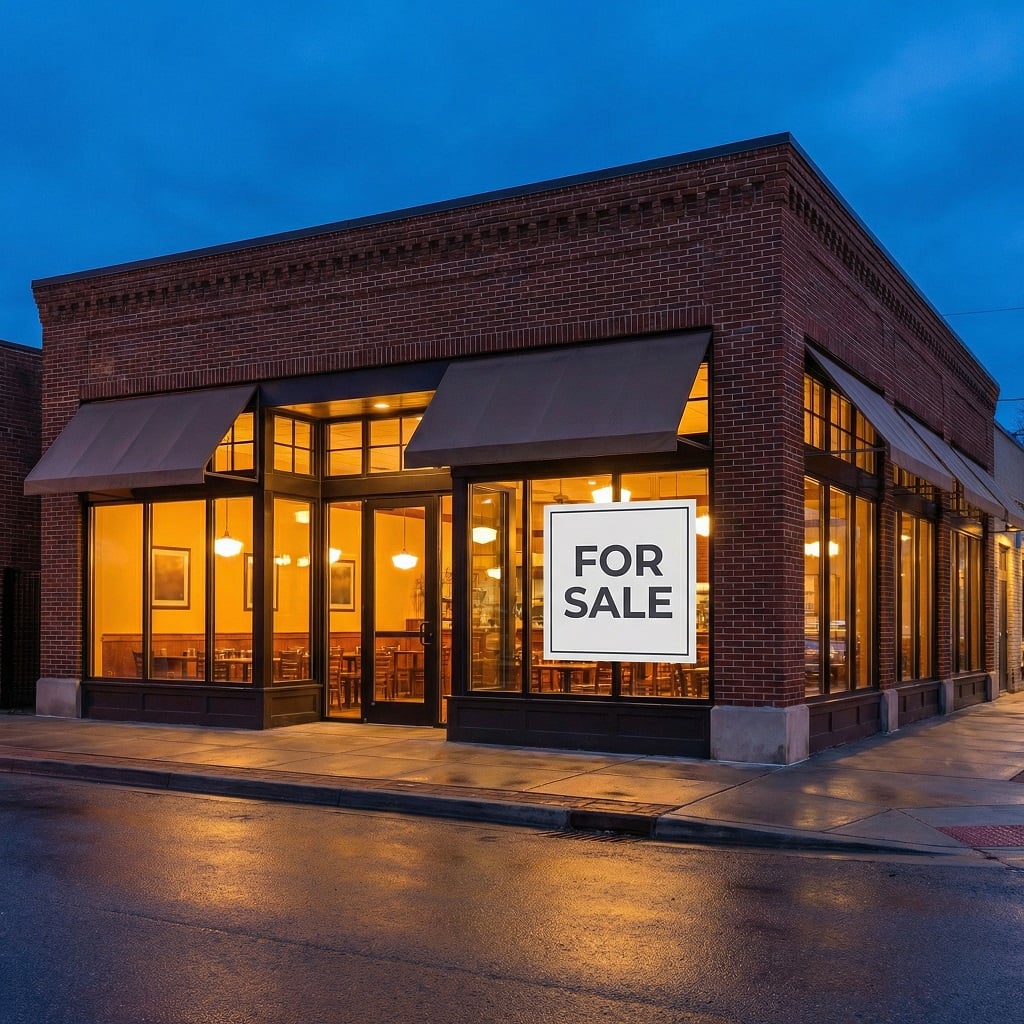
Why Resale Value Matters and How MCA Debt Lowers It
Your restaurant is more than a day-to-day operation. It is an asset. Whether you plan to sell in five years or simply want to preserve optionality, business valuation matters.
When buyers evaluate a restaurant, they are not just purchasing current revenue. They are buying future cash flow, stability, and the ability to grow without hidden financial landmines. Debt obligations directly affect that picture.
A restaurant with unpredictable cash flow or heavy short-term obligations often receives a lower offer, not because the food is bad, but because the business looks riskier on paper.
How Buyers Think About Restaurant Value
Most buyers focus on earnings quality. They ask simple questions:
- How predictable is the restaurant cash flow?
- How much cash is left after obligations?
- What risks exist in the next 12 months?
- Can the business sustain growth without distress?
High-cost, rigid debt changes those answers quickly.
Why Merchant Cash Advances Create Valuation Friction
A merchant cash advance is often marketed as quick funding for restaurants based on credit card sales rather than traditional underwriting. It can feel accessible compared to small business loans or bank financing.
But what matters for resale is not how quickly the money arrives. It is what the repayment structure does to the business afterward.
MCAs typically involve fixed daily withdrawals tied to credit card receivables, creating constant pressure on operating cash flow. Buyers notice that immediately.
The Core Problem for Resale
A restaurant under MCA repayment operates with reduced flexibility, and buyers see that in the numbers. Fixed daily withdrawals limit reinvestment, tighten margins, and distort cash flow projections. Even if sales are strong, the structure signals constraint.
Buyers evaluate risk. An MCA suggests limited breathing room, less negotiating power, and potential refinancing complications. That perception alone can lower valuation multiples.

How Debt Burden Shows Up in Due Diligence
When a buyer reviews financials, they are not only looking at sales. They are looking at free cash flow after repayment obligations.
If daily deductions are pulling money out before payroll, inventory, or maintenance, the buyer sees a business that may not have control over its own cash position.
That is not attractive in a volatile restaurant industry.
How Valuation Buyers Interpret MCA Debt
Buyers do not just look at revenue. They look at what is left after obligations are removed. When a restaurant carries expensive short-term debt, the quality of its earnings changes, even if sales look strong on paper.
A heavy repayment burden makes future cash flow harder to project, which increases perceived risk and lowers the multiple a buyer is willing to pay. I did some research and found out that enterprise value takes into account the market capitalization of a company, as well as short-term and long-term debt and any cash on the company’s balance sheet, which means debt obligations like a merchant cash advance are directly factored into what a buyer believes your restaurant is truly worth.
That is the quiet resale problem with MCAs. The issue is not simply repayment pressure. It is that the obligation becomes part of the valuation math itself, reducing your leverage when it is time to sell.
How MCA Repayment Shrinks What Buyers Pay For
Most restaurant valuations are tied to earnings, often through EBITDA multiples. When MCA deductions reduce net cash flow, the valuation base shrinks.
Even worse, buyers may discount future earnings more aggressively because the repayment structure adds uncertainty.

The Hidden Ways MCA Terms Erode Restaurant Value
Merchant cash advances do not just create repayment pressure. They create structural problems that buyers factor into price.
Cash Flow Instability Lowers Buyer Confidence
Restaurants already face revenue fluctuation from seasonality, labor shifts, and food cost volatility. Adding fixed daily withdrawals makes cash flow even less predictable.
Buyers pay less for unpredictability. Stability earns higher multiples.
MCAs Reduce Reinvestment Capacity
When repayment consumes daily revenue, owners delay investments that improve long-term performance:
- Equipment upgrades
- Renovations
- Marketing campaigns
- Staffing improvements
A restaurant that has paused reinvestment often shows stagnation, which lowers buyer interest.
Buyers View MCA Debt as High-Risk Financing
MCAs sit within alternative lending, often outside traditional loan protections. Buyers may see them as a sign that the restaurant could not access healthier capital options.
That perception matters, even if the business is otherwise strong.
This risk is even sharper for mobile operators. Food trucks often face variable income, shifting locations, and inconsistent processing history, which makes traditional MCA structures especially unforgiving. If that applies to your business, our article, Do Food Trucks Qualify for MCAs? There’s a Better Way to Get Capital breaks down why many mobile vendors get boxed out and what a more flexible approach can look like.
Key Buyer Concerns Triggered by MCA Debt
- Reduced free cash flow
- Increased short-term financial pressure
- Higher perceived default risk
- Lower flexibility in slow periods
- Difficulty forecasting earnings quality
These are valuation killers.
MCA Terms Can Complicate a Sale Transaction
When a restaurant is sold, buyers often want clean financial transferability. MCA agreements can complicate this because repayment is tied to ongoing receivables and merchant processing.
A buyer may require the seller to pay off the MCA before closing, reducing the seller’s net proceeds.
A Clear Comparison of Valuation Impact
Valuation is driven by perceived risk and predictable cash flow. Comparing MCA repayment to flexible owner-driven financing side by side makes the difference in resale impact easier to see.
| Valuation Factor | MCA Impact | Flexible Owner-Driven Financing |
| Cash flow predictability | Lower | Higher |
| Buyer risk perception | Higher | Lower |
| Net free cash flow | Reduced by daily pulls | Preserved with flexibility |
| Valuation multiple | Compressed | Maintained or improved |
| Sale attractiveness | Lower | Stronger |
This is why resale value depends on structure, not just funding speed.
MCAs Lower Resale Value with:
- Fixed daily deductions strain cash flow management
- Reduced profitability shrinks valuation multiples
- Buyer risk increases due to short-term obligations
- Less capital remains for business growth investments
- Sale negotiations become harder with active MCA debt
Resale value is not just about revenue. It is about financial clarity and stability.

Flexible, Owner-Driven Financing Preserves Business Value
Speed solves urgency. Flexibility protects value. Buyers care less about how quickly capital arrived and more about whether repayment restricted operations.
Restaurants move through busy seasons and slow stretches. Financing that adjusts with revenue keeps cash flow stable, supports reinvestment, and prevents valuation compression during resale.
Why Flexibility Matters More Than Speed
Restaurants operate in cycles. A financing model that adapts to revenue realities protects operations and preserves buyer confidence.
Flexible repayment options allow owners to maintain:
- Predictable operating cash
- Consistent reinvestment
- Lower financial stress
- Cleaner financial reporting
Those are exactly the traits buyers pay premiums for.
How Dine Well Financial Fits This Need
Dine Well Financial takes a different approach. Restaurant owners name their own rate first. You define what repayment feels sustainable based on your cash flow reality.
That request goes to a network of restaurant-focused lenders who respond with aligned offers. Owners choose the best fit, adjust terms, or walk away.
This owner-driven structure protects long-term value because it prevents restaurants from locking into rigid repayment obligations that damage valuation.
Control Today Protects Value Tomorrow
A restaurant’s resale value depends on what future buyers see:
- Stability
- Flexibility
- Clean earnings
- Sustainable obligations
Owner-driven financing helps preserve all four.

Protect Your Restaurant’s Value Before You Need to Sell
If you are considering funding, think beyond today’s cash need. The structure you choose affects what your business will be worth later.
Rigid merchant cash advances can quietly reduce free cash flow, increase buyer risk perception, and lower the price someone is willing to pay for your restaurant.
Contact us today if you want financing that supports growth while preserving long-term resale value. Let’s have a straightforward conversation about owner-defined repayment terms and flexible capital structures. No pressure, just clarity that protects your business now and in the future.
Disclaimer: Dine Well Financial is not a lender and does not provide merchant cash advances or business loans directly. We are a funding network that connects restaurant owners with third-party lenders and capital providers. All financing offers are subject to lender approval and applicable underwriting criteria. “Name your rate” is a non-binding feature that allows business owners to propose preferred repayment terms; actual offers may differ based on creditworthiness, business performance, and lender discretion. Dine Well Financial makes no guarantees regarding funding availability, terms, or lender acceptance. Always consult with a financial advisor or legal professional before entering into any financing agreement.

Daniel Harper writes about restaurant financing, merchant cash advance risk, and cash flow strategy for Dine Well Financial. His work focuses on helping independent restaurant owners compare funding options with clear numbers before they sign anything. He has covered alternative lending for the food service industry since 2019. More from Daniel Harper.
Stuck in an MCA or comparing funding options?
You shouldn’t have to wait weeks for what you need today. Call now or apply online in minutes. With our easy application, many clients receive funds in just a few days, subject to lender approval and qualifications.
Leave a Reply